Exploring Ierapetra’s History & Sights: From Kales Fortress to Napoleon’s House
Ierapetra history – Kales Fortress – Old town, Napoleon’s house, Ierapetra Harbour, Dining
Ierapetra’s story spans millennia, from its origins as ancient Ierapytna to its present‑day role as a modern port. Understanding this history deepens the appreciation of the town’s sights and enhances any dining experience. This article walks you through the key historic sites and explains how to tie them into a memorable evening at KALE Gastrobar.
Table of Contents
The ancient roots of Ierapetra
The city occupies the site of Ierapytna, an ancient settlement strategically located on the narrowest part of Crete. In antiquity the city controlled territory stretching from Tsoutsouras in the north to Cape Xerokambos in the south. During the Roman era, Ierapytna’s port was highly valued for its direct access to Egypt and the broader Mediterranean. Though the city prospered under the Romans, it later suffered during Arab raids and changed hands several times. Today little remains of ancient structures, but the strategic harbour and long beachfront speak to its historical importance.
Kales Fortress: sentinel of the harbour
Ierapetra’s most recognisable monument is Kales Fortress. Built by the Venetians in the 13th century to protect the town from pirate attacks, the fort features four corner bastions reminiscent of Frangokastello in western Crete. After a devastating earthquake around 1508, it was rebuilt, and today it offers magnificent views of the Libyan Sea from its ramparts. Cultural events take place within its well‑preserved walls, including concerts and theatre performances. According to another source, the name Kales comes from the Turkish word kule, meaning tower; the fortress was repaired during the Turkish occupation after 1647. Strolling along the harbour you’ll see the castle standing guard over the entrance, a reminder of centuries of maritime activity.
Old town and Ottoman heritage
Beyond the seafront lies Kato Mera, the old quarter of Ierapetra. Here, narrow lanes wind past white‑washed houses and small churches, offering a glimpse into the town’s medieval streetscape. One notable building is the House of Napoleon, tucked away in a tiny alley opposite the harbour. Tradition says that Napoleon Bonaparte stayed here for one night in July 1798 during his Egyptian campaign. The two‑storey house has a low door, only 1.75 m high, reflecting the stature of the famous general. Though usually closed, it is a curious landmark, and the surrounding alleys offer photo opportunities.
Ierapetra also bears marks of the Ottoman period. The Ierapetra Mosque and purification fountain, situated on a palm‑shaded square, are significant architectural monuments. The mosque’s forecourt offers a relaxing spot for a coffee break while appreciating the blending of cultures that have shaped the town. Nearby, the Church of Agios Georgios, built around 1860, sits on foundations dating back to the 12th century; it is now the seat of the metropolitan bishop. For further historical insights, the Archaeological Museum, housed in a former Ottoman school, displays artefacts from the Minoan to Roman periods.
Making history part of your culinary journey
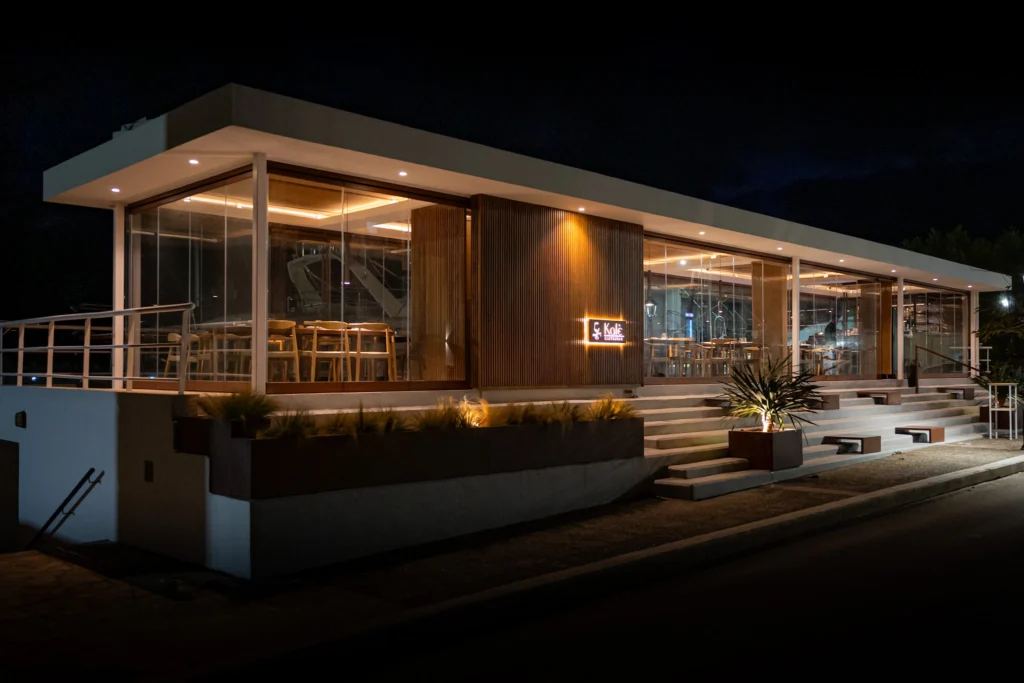
Exploring Ierapetra’s history naturally leads back to its waterfront. After visiting the fortress and wandering the old quarter, you’ll likely arrive near the harbour with an appetite. This is where KALE Gastrobar comes into the picture. Located a short walk from Kales Fortress, the restaurant provides a contemporary contrast to the town’s ancient and medieval heritage. Its sleek design and modern Cretan dishes emphasise innovation while still drawing on local ingredients.
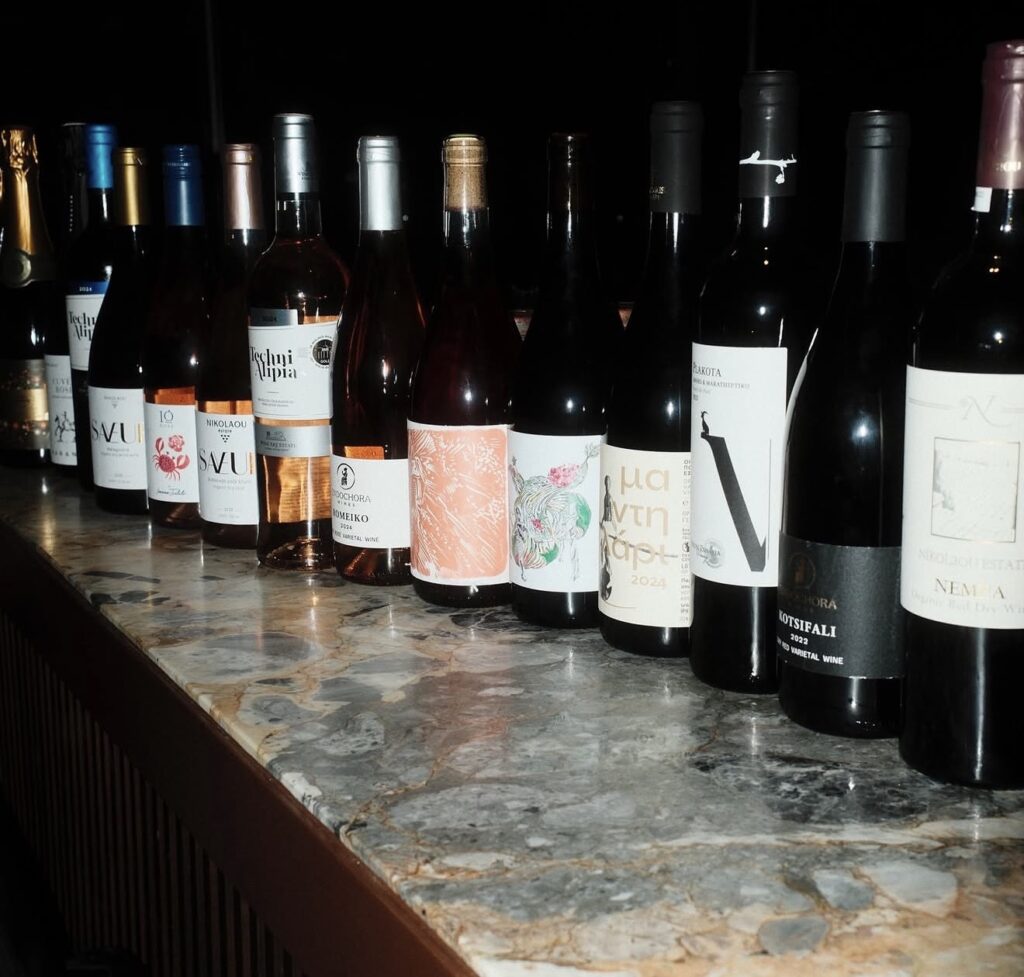
By choosing KALE for dinner, you extend your historical exploration into a culinary one—tasting the evolution of Cretan cuisine in one sitting. Pair a glass of Vilana or Vidiano (two indigenous white varieties) with seafood, or try a Kotsifali blend with lamb to further connect with the island’s wine tradition.
Conclusion
Ierapetra’s layers of history from its ancient origins to its Venetian fortress and Ottoman monuments create a rich tapestry for visitors. Walking through Kato Mera, climbing the bastions of Kales and discovering hidden landmarks like Napoleon’s house immerse you in stories that span centuries. To cap off your historical tour, dine at KALE Gastrobar on the harbour, where modern gastronomy and a stellar wine list bring the past into dialogue with the present. By aligning your meal with Ierapetra’s heritage, you create a travel experience that satisfies both curiosity and appetite.
Follow us on Instagram to see our daily unique content
TAP HERE